ship.energy

ship.energy summit 2026

02 June - 02 June

Eugenides Foundation, Athens, Greece

Keeping it real – setting out pragmatic ambitions for maritime decarbonisation

The ship.energy summit (SES26) will take place in June 2026, providing an ideal platform for global stakeholders to align on cleaner fuels, operational efficiencies, digitalisation, and the commercial realities of the energy transition.


37 days to go

ship.energy summit 2026 Programme

Keeping it real – setting out pragmatic ambitions for maritime decarbonisation

The discussions at this year’s event will very much focus on what is achievable – both in terms of newbuilds, and perhaps more importantly, in relation to conventionally-fuelled vessels already on the water. It will evaluate the impact of ratcheting European regulations on shipping’s emissions and consider the effectiveness of penalty/incentive approaches to the industry’s transition to new energy sources.

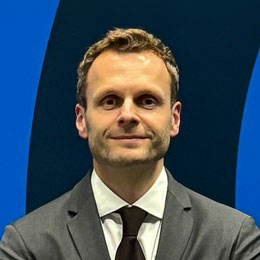
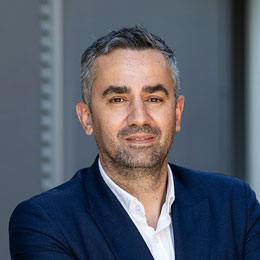
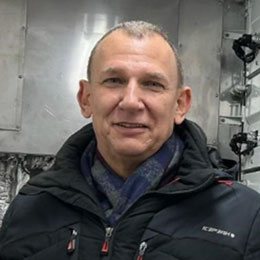
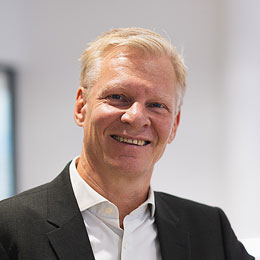
Speakers include:

Trine Braathen, Director, Environmental Trading, Blue Energy Partners
Chris Kruger, President, AYK Energy Ltd
Theo Kourmpelis, Director, Global Tanker, Emerging Oil Markets, and Future Fuels Segment, Lloyd’s Register
Airam Díaz Pastor, Deputy Director, Autoridad Portuaria de Santa Cruz de Tenerife
Allyson Browne, CEO, High Ambition Climate Collective
Nacho de Miguel, Head of Alternative Fuels & Sustainability, Peninsula
Joeri Gabriëls, Business Development Manager, United Bunkers
Alvaro San Pedro, Head of Decarbonisation and New Fuels, Repsol
Jacob Granqvist, Vice President, Maritime, Gasum
Jesper Lindegaard Sørensen, Global Head of Alternative Fuels, KPI OceanConnect
Luke Jenkinson, Founder and Group CEO, Elire
Chris Turner, Technical Manager, Integr8 Fuels
Kaj Portin, General Manager, Sustainable Fuels & Decarbonisation, Wärtsilä Finland


Programme details are updated regularly and are subject to change as new speakers are confirmed and themes developed.

Delegate price: £217.50

Register
9:00 am

Session One – Time for a rethink? Stress-testing and reframing regulation and policy

This session will consider the aims and the measurable outcomes to date of regional regulation, such as the EU Emissions Trading System, FuelEU Maritime, and RED III.

  • Do these regulations have the ‘teeth’ to move shipping along its decarbonisation pathway, and how are factors such as vessel pooling, mass balancing and contracts for difference catalysing the energy transition?
  • Is there a level playing field for shipowners, or are the larger owners using regulation to secure a commercial advantage, while mid-sized and smaller owners are still finding it a challenge to meet regulatory requirements?

Speakers will also discuss the takeaways from the European Commission’s recently launched Maritime Industrial Strategy.

  • Is it sufficiently bold and ambitious to give sustained and structural support to the shipping and port sectors as they decarbonise?
  • How does this European strategy sit with national maritime decarbonisation initiatives?

This first session of the ship.energy summit will also consider the regulatory hiatus at IMO.

Is the IMO’s Net Zero Framework dead in the water – and what are the prospects for consensus on a global regulation on shipping? Has the position of the IMO as a global regulator been severely undermined, and can its GHG emissions reduction timeline for shipping still remain on track

9:50 am
Networking Coffee Break

10:20 am

Session Two – The art of the possible: Finding solutions to decarbonisation challenges

Speakers in this session will look at the technology ‘toolbox’ for shipping, both for vessels in the existing fleet and for newbuilds. While new energy sources are often seen as the primary drivers for decarbonisation, technology innovation provides the building blocks to support the transition in the near and longer term.

Speakers in this session will assess shipping’s decarbonisation from a technology ‘ready’ perspective.

  • How are companies scaling technology development and moving towards commercial scale, and are their activities being impacted by the stalemate at IMO?
  • How are OEMs, vessel designers and shipyards taking stock of progress on decarbonisation?
  • Using what we have – how much progress is being made in ‘greening’ the existing fleet, by using vessel optimisation and efficiency technologies, retrofits, as well as digitalisation?
  • How are European and national regulations and policies supporting maritime industries in their efforts to decarbonise?
11:10 am

Session Three – Fuelling the conversation: are bunker companies preparing for change?

This focused discussion will feature bunker suppliers and traders who will discuss how they are making the shift to delivering new fuels. Do they feel that there is increasingly less urgency on this issue, how challenging is the fuel transition for ‘traditional’ bunker players, and how long will fossil fuels be a major component in the energy mix?

12:00 pm

Lunch Break

1:00 pm

Session Four – Managing the momentum: can shipping and fuel producers hold the line?

Maritime decarbonisation has intensified the dialogue and co-operation between shipowners and fuel producers.

This session will consider what collaboration on the energy transition looks like given global regulatory uncertainty – and a difficult geopolitical and economic landscape.

  • What are the decarbonisation priorities of shipowners, and is the expectation that new vessel orders will slow until there is regulatory consensus at IMO?
  • Or, are the levers of European regulation providing the basis for key decisions on fleet renewal and fuel choices?
  • Are new fuel producers reassessing project and investment decisions, and how will this impact decisions on creating a global/bunkering infrastructure?
  • What does more uncertainty on the demand and supply sides mean for the development of a cohesive and well-prepared global bunkering infrastructure?
1:50 pm

Session Five – Money, money, money: stepping up to finance shipping’s energy transition

This session will ask a simple question: is it becoming easier or harder to access money for decarbonisation projects?

  • Is EU regulation creating commercial/financial winners?
  • Is the disbursement of revenues from EU regulatory mechanisms reaching shipping and other maritime stakeholders?
  • Can the idea of a global levy on shipping’s GHG emissions be brought back to the table?
  • Are public and private sources of finance for fuel producers and shipping becoming more available – and innovative, or are other industries taking a greater share of available investment?
  • Does there need to be a reassessment of how financial risk is viewed and handled in maritime’s decarbonisation?
2:40 pm

Networking Coffee Break

3:10 pm - 3:50 pm

Session Six – Anchor points: putting ports on the decarbonisation map

This final session will focus on how ports are taking a proactive and leading role in developing a global alternative energy ecosystem.

Speakers will consider how ports are assessing their roles as energy hubs and national points of entry and exit for energy cargoes, and they will ask if momentum is being sustained on initiatives such as green corridors.

How are ports reacting to the ambitions set out in the European Commission’s Ports Strategy, published in March, and are their strategies holding firm on supporting the supply of new marine fuels and the provision of shore power?