ship.energy

ARACON 2026

21 October - 23 October

Hilton Rotterdam Hotel

Annual review: does the bunker industry need to do business better – and differently?

ARACON 26 will once again bring together senior executives, technical experts, policymakers and innovators to discuss the ‘state of play’ for the global marine fuels sector – and with a close focus on the challenges and issues impacting the world second largest bunker market, the (Amsterdam-Rotterdam-Antwerp) region.

Ended 0 days ago

Ethanol as a Marine Fuel


As the shipping industry works toward lower-emission operations, interest is growing in fuels that can be deployed at scale without waiting for entirely new supply chains or infrastructure. Ethanol is increasingly part of that conversation. It is already produced and traded globally, can be handled as a liquid fuel, and is gaining attention as part of the broader alcohol-fuel pathway alongside methanol.

This workshop will examine ethanol’s potential in the European maritime market, with a particular focus on sustainability, lifecycle carbon performance, policy treatment, engine readiness, bunkering, and commercial deployment. It will also look at current evidence around crop-based feedstocks, food and fuel, agricultural productivity, and the ongoing improvements in U.S. corn ethanol production.

This workshop brings together leading experts from across the ethanol, maritime, agricultural, and industrial sectors to examine the commercial, technical, regulatory, and sustainability considerations that will shape ethanol’s role as a marine fuel.

Leaning Objectives

Participants will:

  • Understand ethanol’s current role and potential in the marine fuel market.
  • Review global supply, trade flows, and availability.
  • Examine current data on food, feed, fuel, land use, and agricultural productivity.
  • Learn how the carbon intensity of U.S. corn ethanol continues to improve.
  • Understand how EU policy, certification, and lifecycle accounting affect market access.
  • Review progress in engine technology, storage, bunkering, and vessel readiness.
  • Identify the key commercial and regulatory barriers to wider adoption.
  • Explore what would be required to move from pilot activity to regular ethanol bunkering in Europe.

Designed for shipowners, bunker suppliers, ports, fuel producers, engine manufacturers, classification societies, regulators, financiers, and policymakers, the workshop aims to provide a balanced, evidence-based discussion on ethanol’s growing role in the maritime energy transition.


Delegate Pass: £195

(Premium members: log in to unlock your 5% discount and pay just £186)

Register Here


10:30 am

Course Registration

Participant check-in and networking before the workshop begins.

11:00 am

Welcome & Opening Remarks

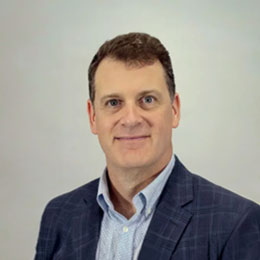
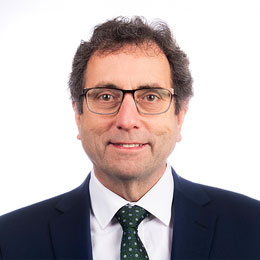
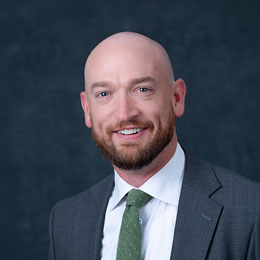
Event Emcee: Dr. Gerard Ostheimer, Molecule Group

Llewellyn Bankes-Hughes, CEO & Founder, ship.energy Ltd.
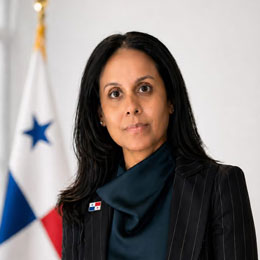
Ambassador Ginette Testa, Permanent Representative of Panama to the IMO

Opening perspectives on maritime decarbonization, fuel optionality, and the practical steps needed to move new fuel pathways toward deployment.

11:10 am

Why Ethanol, Why Now? Global Supply, Policy & the Maritime Opportunity Growth Energy

Jake Comer, Growth Energy

An overview of global ethanol supply, trade and policy fundamentals, and where ethanol can fit within the emerging marine fuels market.

Speaker Information

11:35 am

Food, Feed & Fuel, What the Data Actually Shows

Jean Benoit Deloron, S&P Global

Current evidence on grain balances, agricultural productivity, land use and co-products, with a focus on how today’s data informs the food-versus-fuel discussion.

Speaker Information

12:00 pm

Low-Carbon Corn Ethanol: Sustainability, Certification and EU Market Access

Dr. Steffen Mueller, University of Illinois Chicago
Adam Kirby, ISCC

A practical look at the declining carbon intensity of U.S. corn ethanol and how certification, chain of custody and lifecycle accounting affect access to European maritime markets.

Speaker Information

12:35 pm

Producer Perspective: Decarbonizing Ethanol Production in Practice

Radoslav Dimitrov, ADM

How producers are lowering lifecycle emissions through plant efficiency, renewable energy, carbon capture, feedstock improvements and stronger traceability.

Speaker Information

1:00 pm - 1:50 pm

Lunch

An opportunity to continue the discussion with speakers and fellow delegates.

2:00 pm

Dual-Fuel Engine & Retrofit Readiness for Ethanol

Leif Knipstrom, WinGD

An update on ethanol-capable engine technology, newbuild and retrofit pathways, operational considerations, and progress toward routine commercial deployment.

Speaker Information

2:25 pm

From Terminal to Vessel, Can ARA Bunker Ethanol Today?

Marcel Jordens, TankMatch
Jeroen Mooij, TankMatch

A practical assessment of ARA storage, terminal and barge readiness, and the physical and commercial requirements for regular ethanol bunkering.

Speaker Information

2:50 pm

Safety, Classification and Regulatory Readiness

Quaim Choudhury, American Bureau of Shipping (ABS)

A review of safety, classification, fuel handling and regulatory requirements for ethanol, including the alcohol-fuel
pathway and remaining standardization needs.

Speaker Information

3:15 pm

Exploratory Efforts in the Region

Morten Jacobsen, METHANAVE / Global Ethanol Association

An update on regional initiatives and collaborative efforts exploring ethanol as a marine fuel, with a focus on
demonstrations and pathways to wider deployment.

Speaker Information

3:30 pm - 3:40 pm

Closing Remarks

Ankit Chandra, U.S. Grains & BioProducts Council

Key takeaways from the workshop and priorities for advancing ethanol from technical readiness toward
commercial adoption.

Speaker Information