

Dive In!
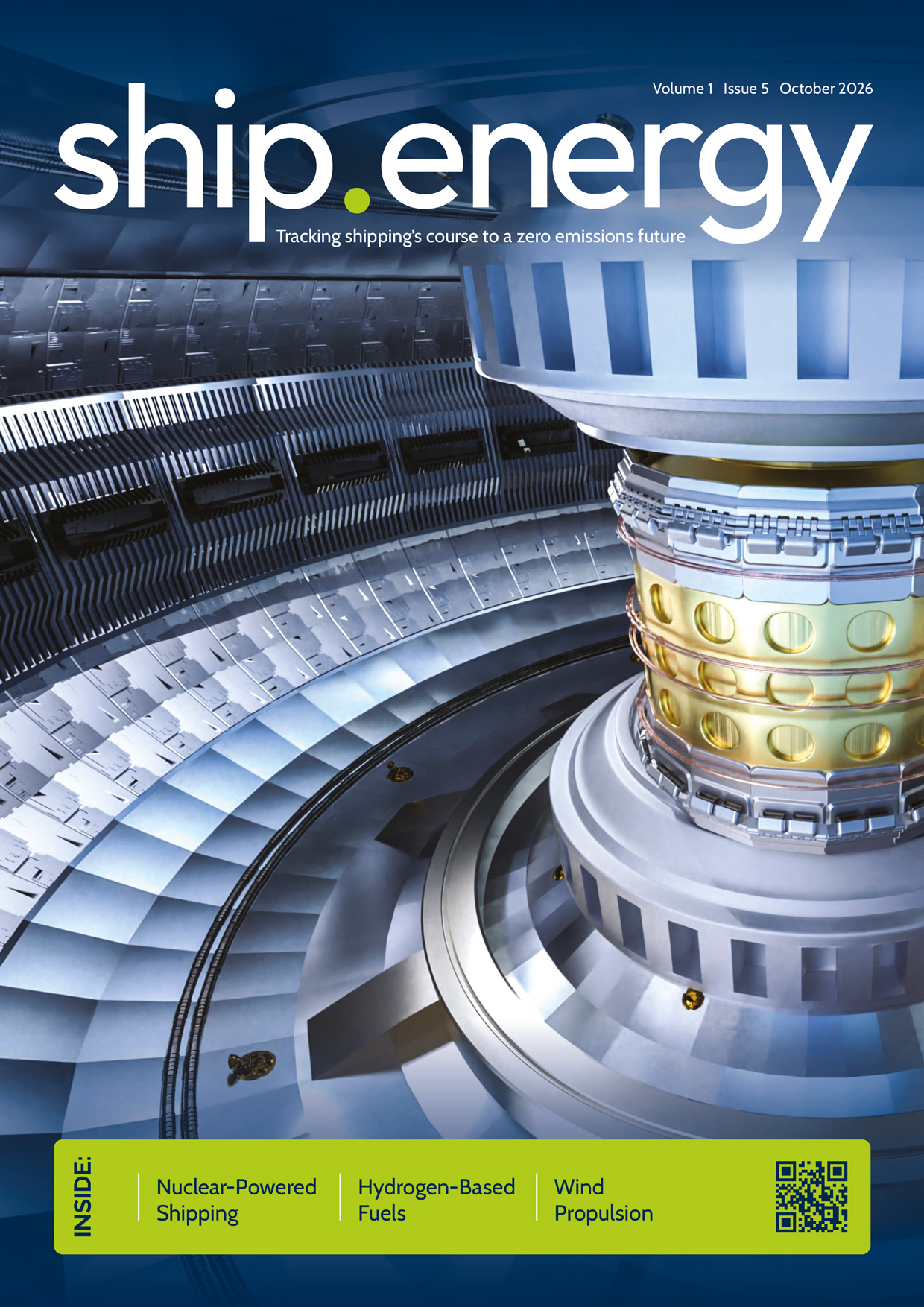
In this year’s ship.energy Survey we have invited our respondents to consider the likely impacts of the NZF hiatus, whilst also gauging the progress being made on the water and in the shipyards to build a net-zero fleet and fuelling infrastructure.The ship.energy Survey 2026 centres on the consequences of the postponed Net-Zero Framework (NZF) decision and what it means for shipping’s energy transition. Key themes emerging from the survey include:
1. NZF Delay & Regulatory Uncertainty
- The IMO’s decision to defer the NZF is widely viewed as disruptive, extending uncertainty for shipowners, fuel producers, and investors.
- Many contributors warn this could delay investment decisions, particularly for capital-intensive low-carbon fuel projects.
- Some respondents see the delay as political rather than technical, reflecting broader geopolitical tensions.
2. Fragmentation vs Global Alignment
- A dominant concern is the risk of a patchwork of regional regulations if global consensus stalls.
- Industry voices stress that decarbonisation pathways require stable, predictable, internationally aligned rules.
- Others argue regional measures may act as necessary catalysts in the absence of global progress.
3. EU ETS & FuelEU Maritime (FEUM)
- The EU frameworks are largely regarded as functioning and already influencing commercial behaviour.
- Rising compliance costs under EU ETS significantly alter fuel economics, improving the competitiveness of certain alternative fuels.
- Contributors highlight the growing strategic importance of pooling mechanisms and digital compliance tools.
4. Alternative Fuels & Investment Signals
- Regulatory uncertainty is seen as a key barrier to scaling alternative fuels, especially e-fuels.
- Methanol continues to attract attention, with optimism around infrastructure growth and supply pipelines.
- Biofuels are viewed as pragmatic near-term compliance options due to their drop-in flexibility.
5. Efficiency & “No-Regrets” Strategies
- Several experts point to renewed interest in energy efficiency, voyage optimisation, and wind-assisted propulsion.
- These measures are framed as lower-risk pathways that deliver immediate emissions and cost benefits regardless of regulatory outcomes.
6. Direction of Travel Remains Intact
- Despite disagreement on timing and policy design, most contributors agree decarbonisation remains inevitable.
- The delay is characterised by some as a slowdown rather than a reversal, with technology development and pilot projects continuing.
Overall, the survey portrays an industry still moving toward decarbonisation, but navigating policy uncertainty, cost pressures, and the growing influence of regional regulation.
































Reviews
There are no reviews yet.