ship.energy

Middle East Bunkering Convention 2023

07 February - 09 February

Hilton Dubai Jumeirah, UAE

Unlocking potential: Identifying and commercialising new market opportunities

Now in its eighth year, the Middle East Bunkering Convention (MEBC) returns to Dubai in February 2023 to once again offer focused and expert insights into the dynamic and increasingly complex global bunker market.

Ended 1210 days ago

The basics of bunkering

This half-day course, taking place ahead of the Middle East Bunkering Convention on 8/9 February, offers a highly useful snapshot of what the business of bunkering is all about. It provides a well-structured and very accessible overview of the commercial elements of the marine fuels industry, plus key areas such as fuel measurement, fuel sampling, bunker delivery procedures, regulations, purchasing and contracts.

The course also provides a brief introduction to the delivery methods and regulations for the new marine fuels that will enable the shipping industry to meet the International Maritime Organization’s 2050 greenhouse gas emission reduction targets.

Hilton Dubai Jumeirah Beach

Standard Pass: £175

1:30 pm - 5:30 pm

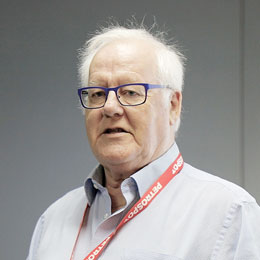
Taught by bunker industry expert and Course Director of ship.energy’s world-renowned Oxford Bunker Course, Nigel Draffin, this compact training session is designed for anyone whose job requires an understanding of the basics of bunkering, why the industry is changing, and how it is changing.

The Basics of Bunkering includes an overview of the following subjects:

  • Commercial issues – covering regulations relating to bunker fuel oil and marine gasoil/marine diesel oil; fuel availability, handling and storage; pricing and credit.
  • Bunkering procedures – delivery principles and hazards; delivery of conventional fuels, LNG, LPG, methanol, biodiesel, and future marine fuels.
  • Bunker quantity control – volume and mass terminology and measurement; volume and mass meters, verification of measurements; and fraud
  • Bunker quality control – fuel sampling; the use of laboratories; bunker analysis and disputes
  • Bunker regulations – as they relate to the use of LNG, LPG, methanol, biodiesel, ammonia and hydrogen as marine fuels.
  • The fuel transition pathway to 2050 – which option is winning and is there a game changer; the alternatives to very low sulphur fuel oil (VLSFO); energy comparisons for the new alternative fuels; the challenge for suppliers in forward-planning.


Moderator