
Membership Required: Premium £295
You need to be a Premium member to access this content.
All Standard membership options plus:
- Unlimited access to all news stories and podcasts on the website, including ship.energy coverage and the full Bunkerspot archive
- Exclusive access to ship.energy industry insights, online longer reads and analysis
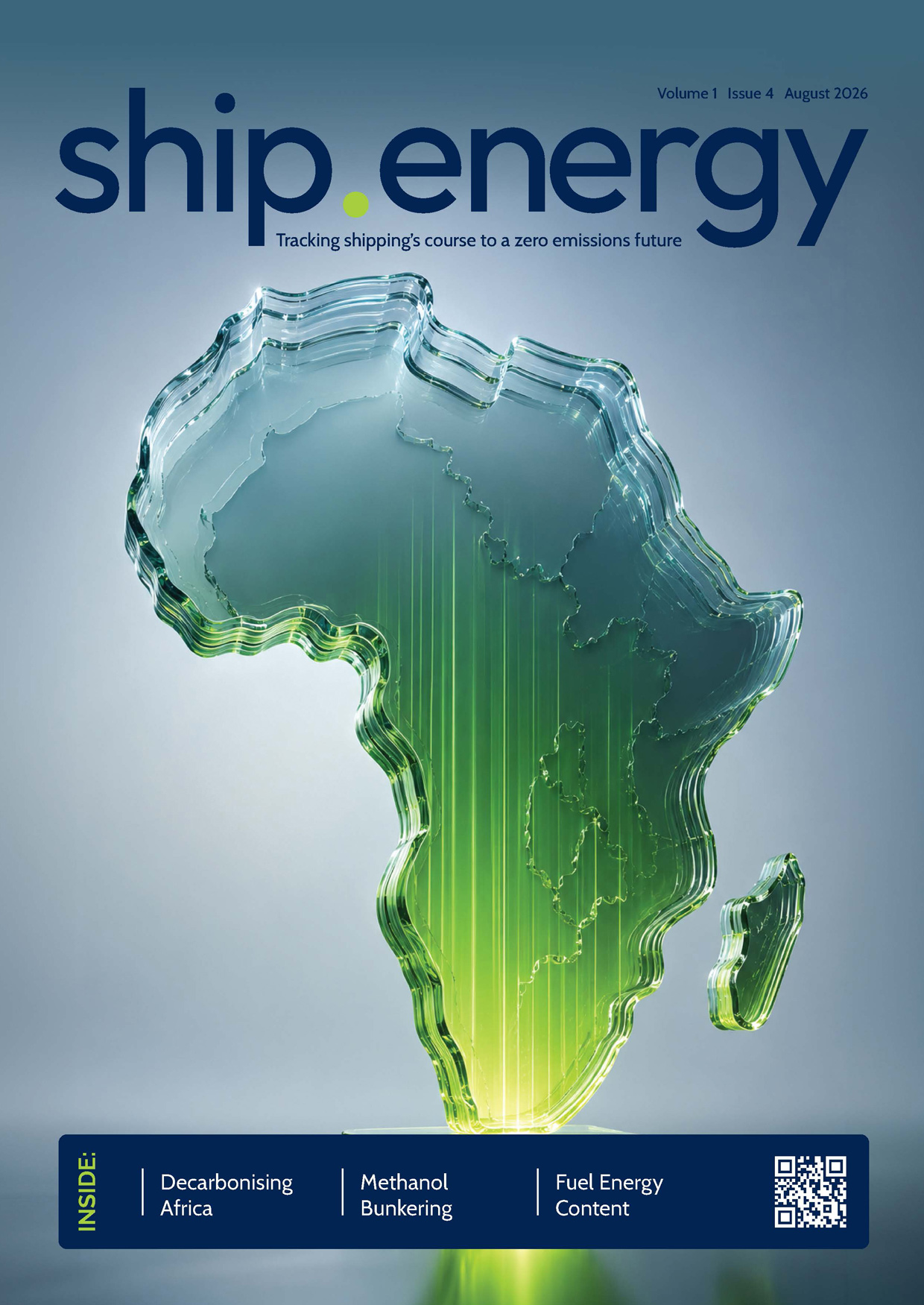
- Six issues per year of ship.energy magazine — the industry’s journal of record — delivering authoritative insight into marine fuels, regulation, and technology. Subscribers receive access to both digital and print editions
- Premium members will also be able to take advantage of a 10% discount on the delegate rates for our Maritime Week Americas and ARACON conferences and a 5% discount on the delegate rates for all of ship.energy’s other conferences and training courses (discounts are solely for the named subscriber and are non-transferable).













 Cheryl Marshall